
Upgrading from squishy running shoes to a dedicated pair of weightlifting shoes (often called "lifters") is the single fastest way to instantly improve your squat depth, torso positioning, and force transfer. A hard, elevated heel artificially improves ankle mobility, allowing you to stay upright during heavy cleans, snatches, and high-bar squats.
Top Weightlifting Shoes at a Glance
| Shoe Model | Best For | Effective Heel Height | Fit Profile |
| Nike Romaleos 4 | Maximum Stability & Powerlifting | 0.75" (19mm) | Narrow / Medium |
| TYR L-1 Lifter | Wide Feet & Toe Splay | 0.82" (21 mm) | Wide (Anatomical) |
| Reebok Legacy Lifter 3 | Olympic Weightlifting & Deep Squats | 0.86" (22 mm) | Medium |
| Adidas Powerlift 5 | Beginners & Budget | 0.60" (15 mm) | Medium |
| SABO PowerLift | Deadlifts & Flat-Shoe Squatters | 0.0" (Flat) | Wide |
1. Nike Romaleos 4: Best for Maximum Stability
The Nike Romaleos 4 remains the gold standard for lifters who want a locked-in, heavily anchored feel. Featuring two adjustable straps and a rigid TPU midsole, this shoe excels at preventing lateral foot rollover during heavy, max-effort squats. It is noticeably heavy, which some Olympic weightlifters dislike for fast foot turnover, but powerlifters love the grounded sensation.
-
Pros: Incredible floor connection; dual straps lock the midfoot perfectly; extremely durable.
-
Cons: Very stiff out of the box; narrow toe box is uncomfortable for wide feet.
-
Best For: Heavy squatters and lifters with narrow-to-medium feet.
Read my full, in-depth Nike Romaleos 4 review here.
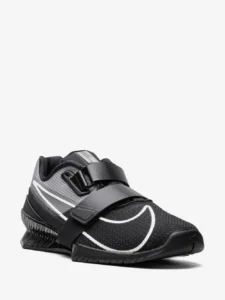
2. TYR L-1 Lifter: Best for Wide Feet
Historically, weightlifting shoes have aggressively tapered toe boxes, squishing toes together. TYR disrupted the market with the L-1, offering a fully anatomical, wide toe box. This allows for natural toe splay, giving you a wider surface area to push against the floor. It features a slightly higher 21 mm heel drop and dual Velcro straps.
-
Pros: The only true wide-toe-box lifter on the premium market; excellent heel height for upright posture.
-
Cons: The aesthetic is bulkier than Nike or Adidas.
-
Best For: Lifters with wide feet or those who lift barefoot and want natural toe mechanics.
Read my full, in-depth TYR L-1 Lifter Review here.
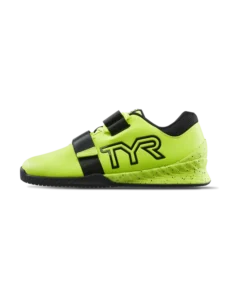
3. Reebok Legacy Lifter 3: Best for Olympic Weightlifting
If you struggle with ankle mobility at the very bottom of the snatch or clean, the Legacy Lifter 3 offers one of the highest effective heel heights on the market (22 mm). The standout feature is the pump technology in the tongue, which inflates to create a custom, gap-free lockdown across the top of your foot.
-
Pros: Massive heel height drastically improves squat depth; pump tech secures the foot seamlessly.
-
Cons: Heavy; the pump mechanism can feel gimmicky to some traditionalists.
-
Best For: Olympic weightlifters and tall lifters who struggle with ankle dorsiflexion.
Read my full, in-depth Reebok Legacy Lifter 3 review here.
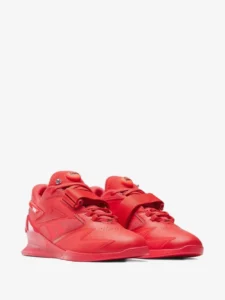
4. Adidas Powerlift 5: Best Budget Option
Not everyone needs a $200+ shoe with a massive heel. The Powerlift 5 features a lower 0.6-inch (15mm) heel made from high-density EVA foam rather than hard plastic. This makes it much more forgiving, comfortable, and versatile if you want to walk around the gym or do lighter accessory work without changing shoes.
-
Pros: Highly affordable; flexible toe box; low barrier to entry for beginners.
-
Cons: EVA foam heel compresses slightly under 400 lb+ loads; lower heel doesn't offer extreme mobility fixes.
-
Best For: Beginners, CrossFitters, and lifters on a budget.
Read my full, in-depth Adidas Powerlift 5 review here.
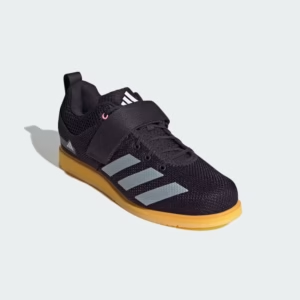
5. SABO PowerLift: Best for Deadlifts and Flat-Shoe Squatters
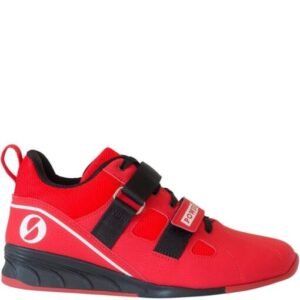
While most weightlifting shoes feature an elevated heel, the SABO PowerLift takes the exact opposite approach. Designed specifically for powerlifters who pull heavy deadlifts or prefer a flat-footed low-bar squat, this shoe offers a zero-drop, ultra-thin sole to keep you as close to the floor as possible. It combines a completely flat base with a high-top design and metatarsal strap for unbeatable ankle stability.
-
Pros: Zero heel drop maximizes deadlift leverage; high-top upper prevents ankle rollover; incredibly grippy outsole.
-
Cons: Offers no mobility assistance for Olympic lifts or deep high-bar squats; very niche use case.
-
Best For: Deadlift specialists, low-bar squatters, and lifters who prefer flat shoes but want maximum lockdown.
Read my full, in-depth SABO PowerLift review here.
How to Choose the Right Weightlifting Shoe
Heel Height (The Mobility Fix)
-
0.60" (15mm): Best for low-bar squatters, beginners, and those with already excellent ankle mobility.
-
0.75" (19mm): The industry standard. Fits 90% of lifters perfectly for high-bar squats and Olympic lifts.
-
0.80"+ (20 mm+): Ideal for tall lifters with long femurs or those with severely restricted ankle mobility who struggle to hit depth without their chest caving forward.
Heel Material (Power Transfer)
-
TPU (Hard Plastic): The modern standard. It is lightweight, incompressible, and lasts forever.
-
Wood: Found in legacy shoes (like Do-Wins). Offers a unique, grounded auditory "clack" on the platform but is heavier and can chip over time.
-
EVA Foam: Found in budget shoes. Comfortable and flexible, but will slightly compress under massive weights, losing a fraction of power transfer.
Toe Box Width
If your toes are crammed together, you cannot root your foot properly into the floor. If you wear barefoot shoes daily or have a wide midfoot, avoid Nike and Adidas. Look specifically at TYR or Do-Win for anatomical toe boxes.